
AI now moves machines.
PEC-1 decides what it is allowed to do.
One small chip between intent and action. Only permitted commands pass. Every verdict on the record.
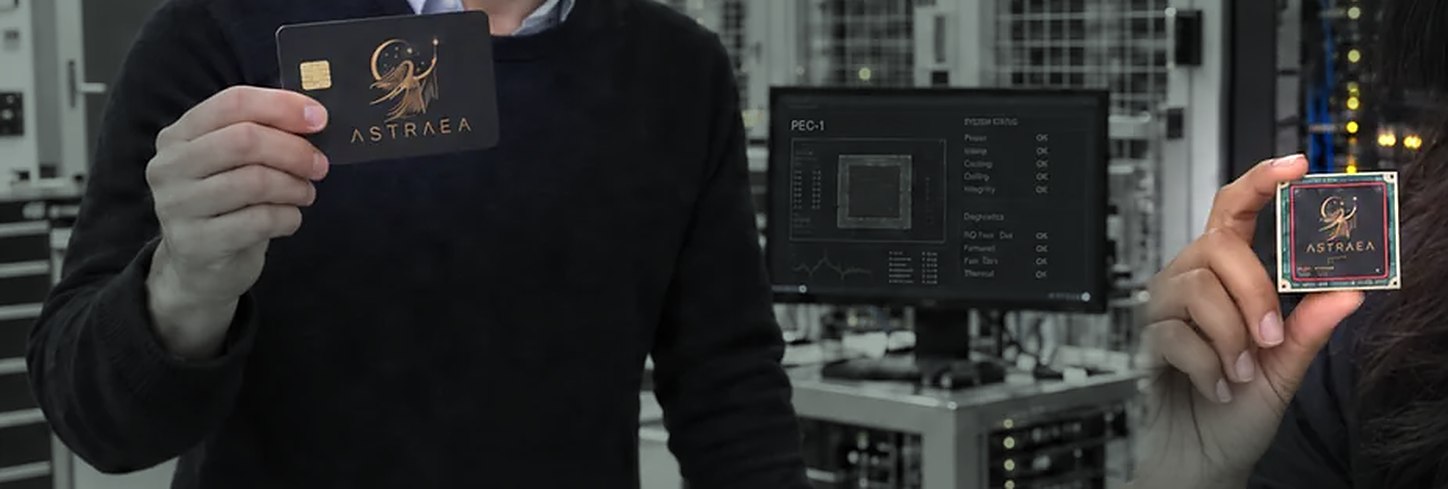
PEC-1 is the silicon core of the Astraea Hardware Trust Platform.
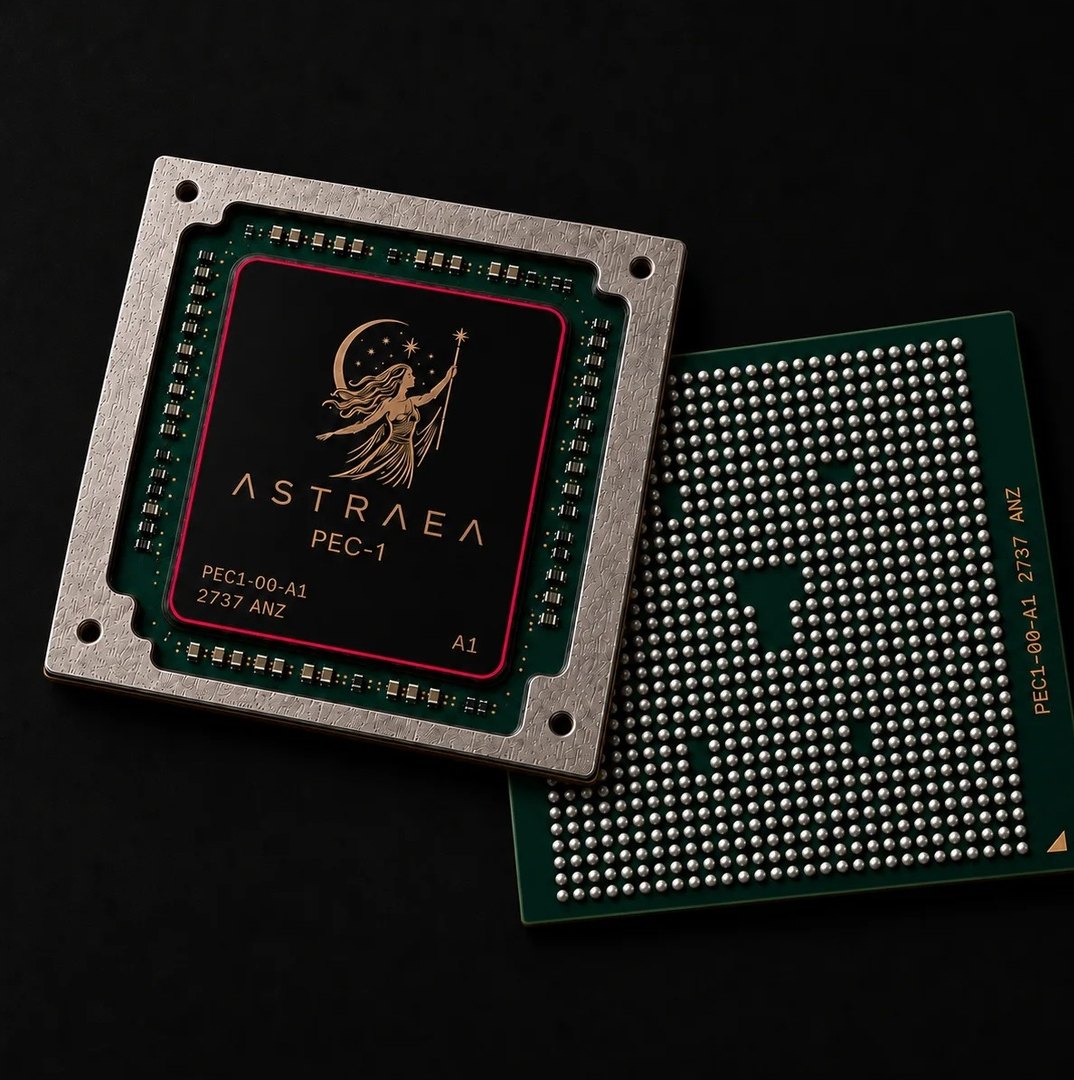
Concept rendering · PEC-1 is pre-silicon.
Why hardware
Guardrails an AI can reach are guardrails it can break.Guardrails inside the autonomy stack share its failure boundary. PEC-1 sits outside it, where the autonomy software cannot rewrite signed policy or enforcement logic.
How it works
Your rules. In silicon. Enforced.
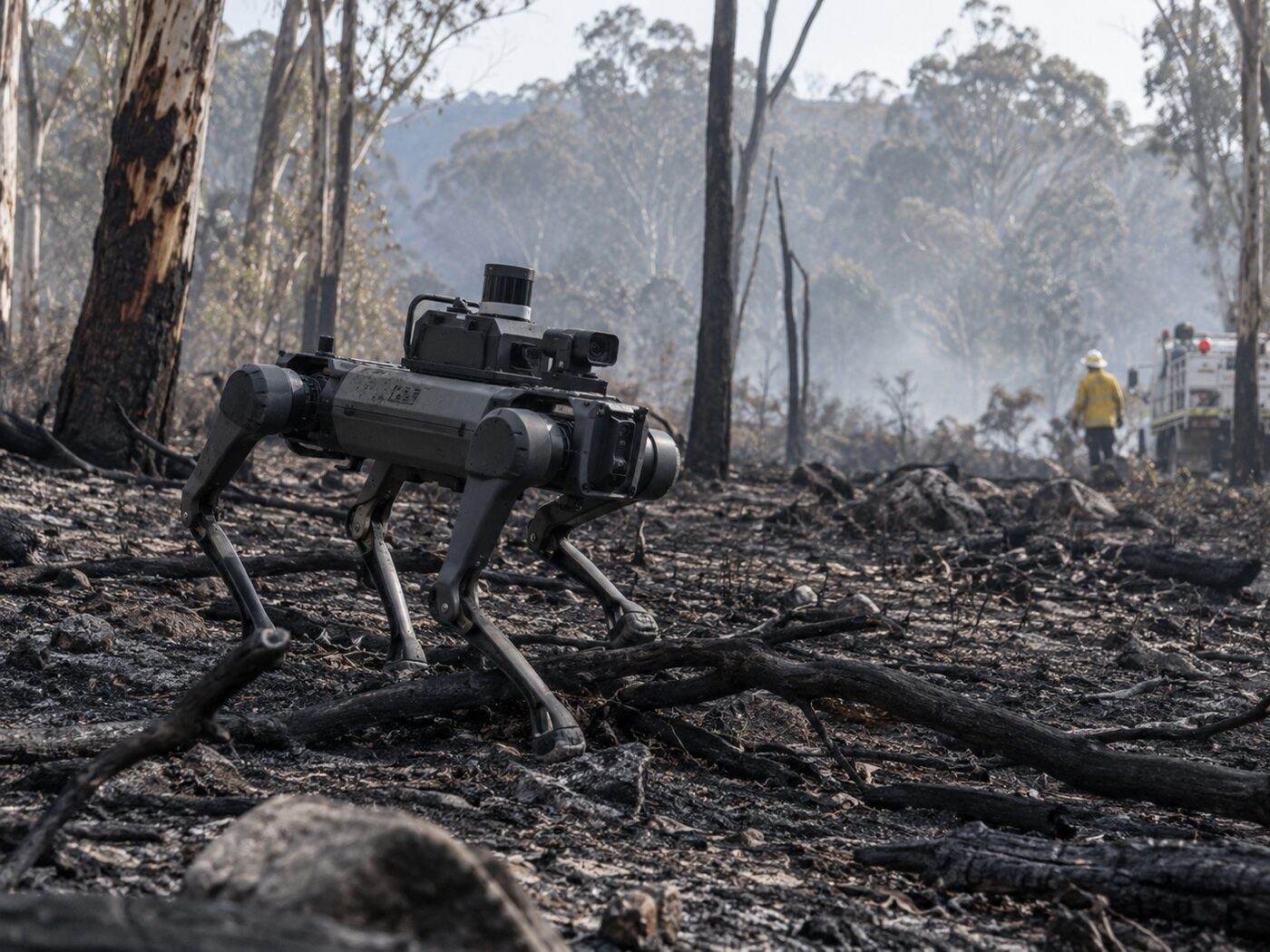
A robot lifts, carries, and moves through your site, beside your people. Its AI is brilliant and unpredictable.
PEC-1 is the small chip between software intent and physical action. It makes one thing certain:
Only commands permitted by your rules can enter the protected actuation path, even when the software gets it wrong.
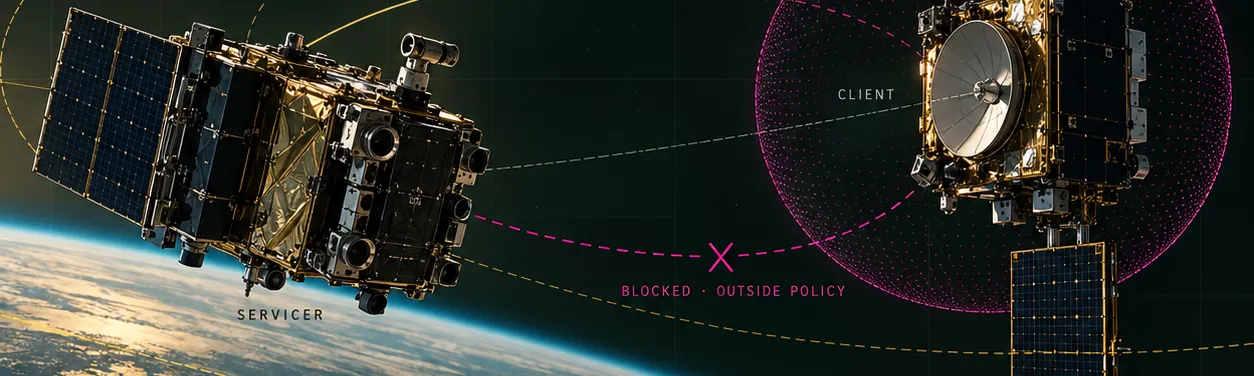
No movement outside the authorised task area while the link to the supervisor is down. No tool change or payload release without a second authorised requester. Never past a set force near a person. The rules are signed and loaded into PEC-1.
The AI plans. The control system steers. PEC-1 checks each protected command against the signed rules on its way to the motors. Permitted commands continue. Anything else is constrained, blocked, or escalated to a safe response.
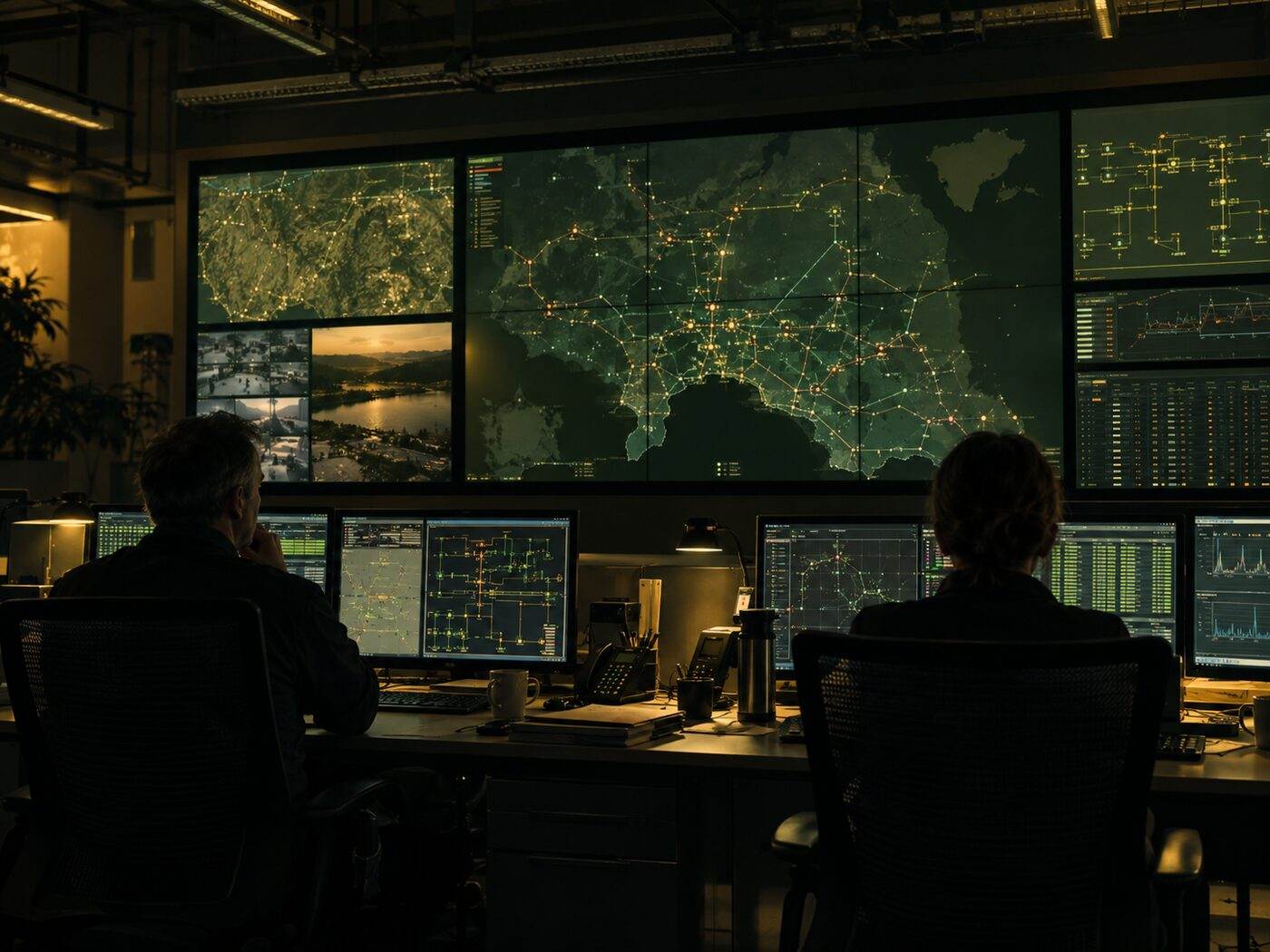
Each verdict creates a tamper-evident audit record. When an operator, investigator, or regulator asks what PEC-1 permitted, you can show them.
The architecture
Software decides what a machine should do.
PEC-1 decides what it is allowed to do.
Only permitted action reaches the machine.
Swipe to explore the path
What PEC-1 does not do
PEC-1 does not sense the world; trusted context comes from the platform.
Protected commands must be routed through PEC-1; it cannot stop a command that bypasses it.
PEC-1 gates command authority; it does not replace the controller or conventional safety systems, and it does not guarantee the physical outcome.
The interlock
Small chip. Final word.
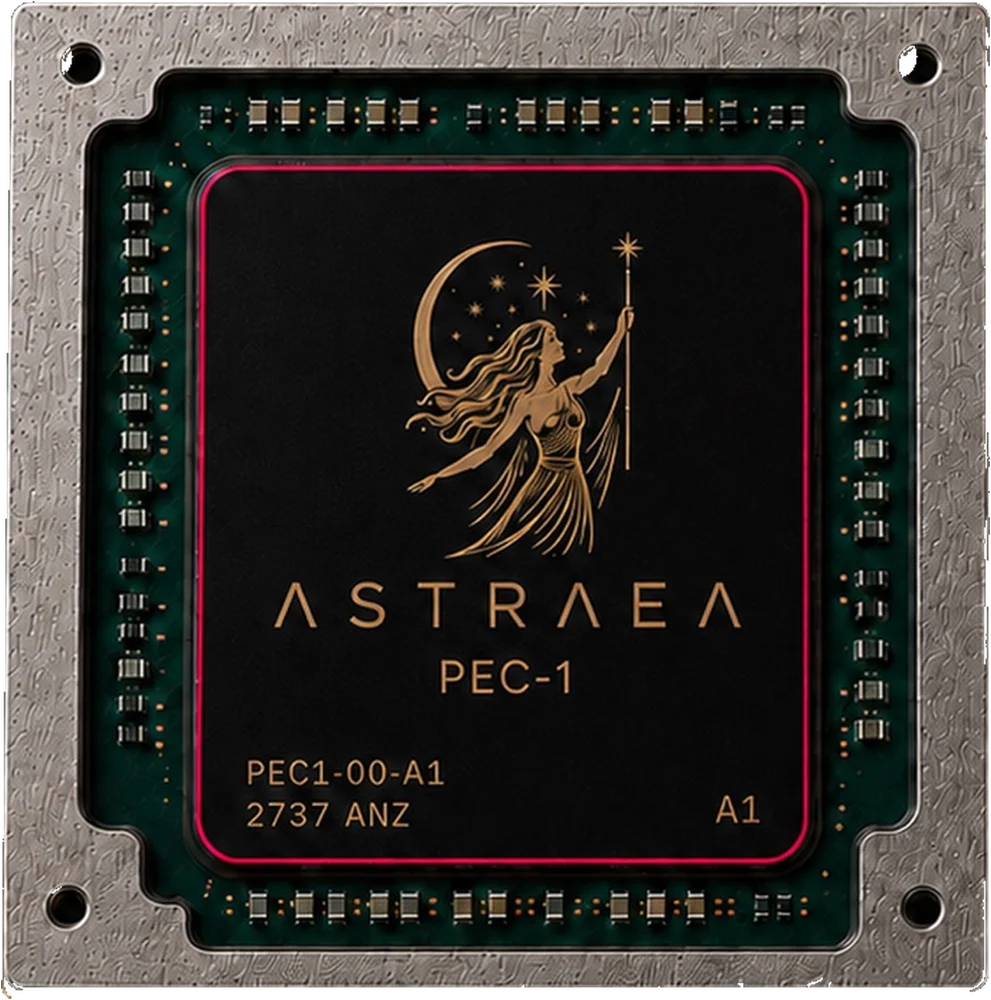
PEC-1 does not think or learn. That is the point. It does not decide what the machine should do. Its deterministic enforcement logic checks every protected command against signed policy before it reaches the actuation interface.
Built first for Australian uncrewed maritime, then adjacent autonomy and robotics markets.
Software decides what a machine should do. PEC-1 decides what it is allowed to do.
The platform
One platform. Six components.
Silicon at the core.
Astraea is the Hardware Trust Platform for Autonomous Systems. Author policies in plain terms, compile them into deterministic rules, sign them, enforce them in hardware, and prove how every protected command was evaluated and enforced.
Author policies in human-readable terms. Simulate a rule against past decisions before it goes live.
Deterministic, bounded rule bundles that evaluate in fixed time. Unbounded rules are rejected.
Sign, version, revoke, deploy. Two-person signing for high-consequence systems. Your keys stay with you.
The hardware reference monitor. Verifies signed policy and authorised requesters, evaluates every protected command against trusted context, and returns Allow, Constrain, Block or Escalate.
Every decision becomes a hash-chained, tamper-evident audit record.
Records verified back to the silicon root. Audit-ready evidence for operators, certifiers, and regulators.
Where it lands
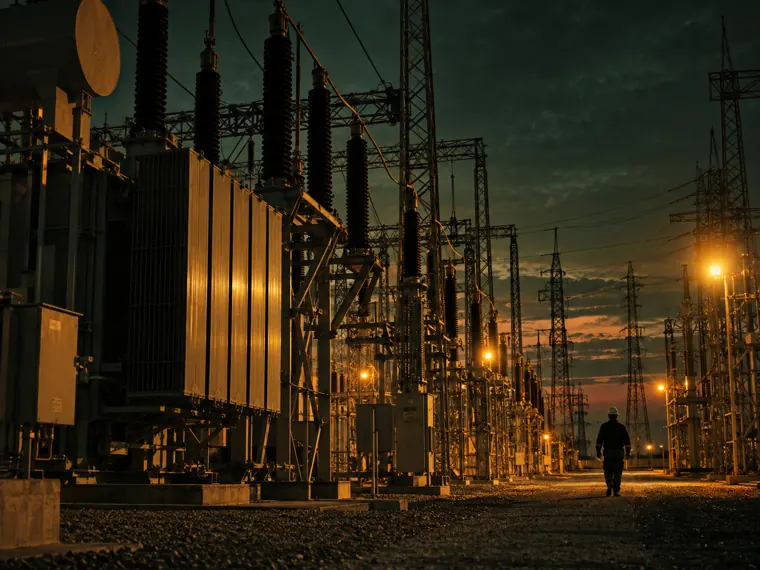
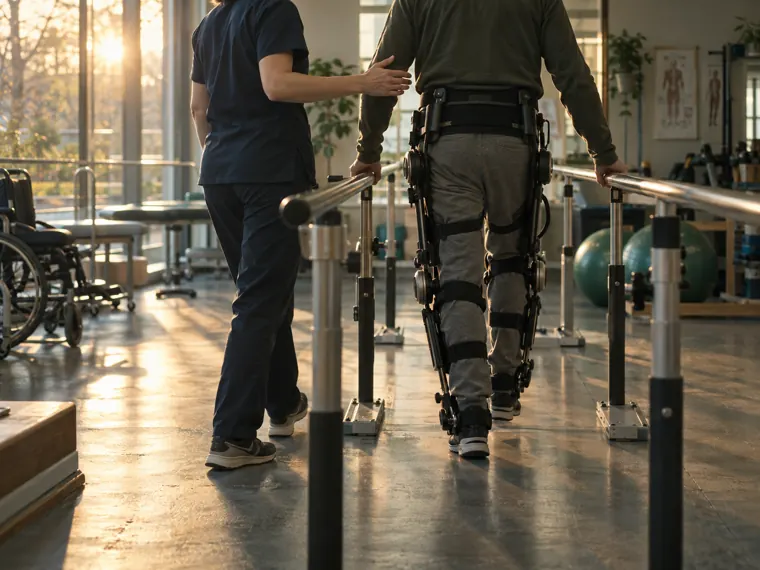
Built for machines that act.



Early access
Tell us what you need to trust.
Astraea is pre-silicon. The architecture is specified and iterated, technical review is underway, and we are seeking our first design partners.
Investors and program reviewers: ask for the overview in your message and we will send it.