Following. People inside the radius.
Intent on one side. Effect on the other. Enforcement at the boundary.
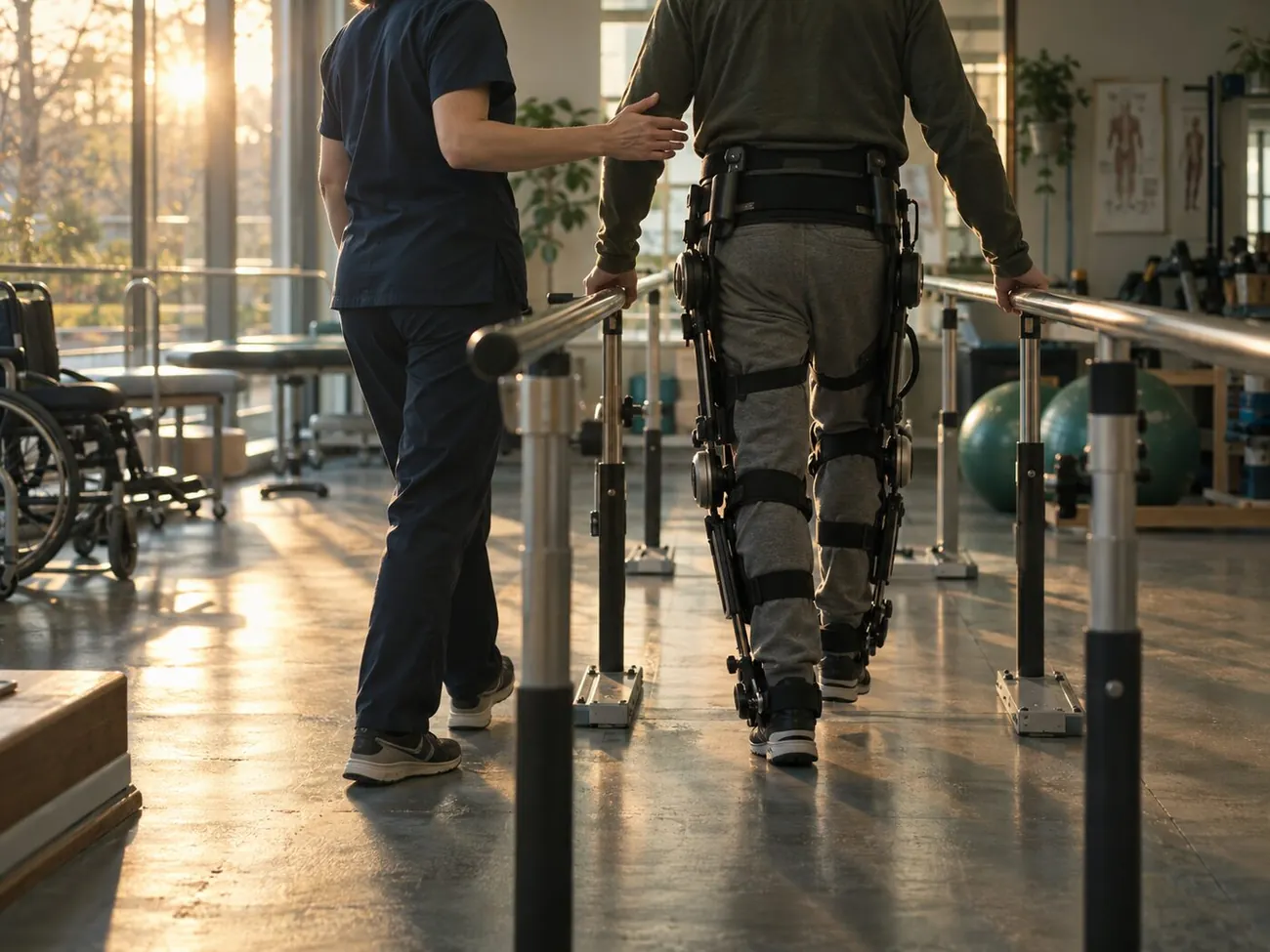
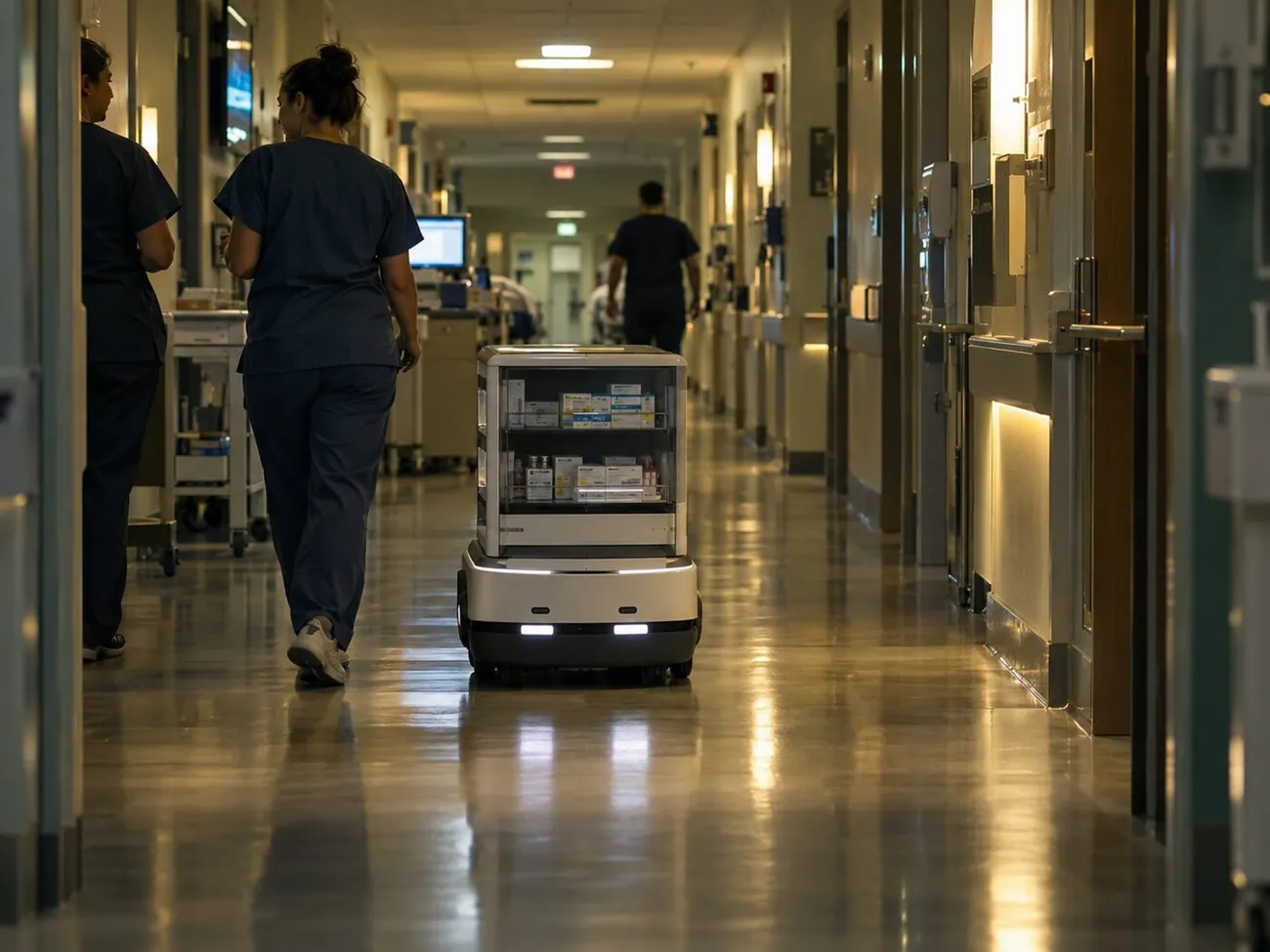
Medicine already runs on machines that act: surgical systems, compounding robots, imaging emitters, powered mobility and rehabilitation devices. Each one is an actuator with a person inside its consequence radius. The clinical world solved trust for drugs with custody chains and for devices with certification; autonomous behaviour needs the same discipline at the moment of action.
PEC-1 enforces workspace and instrument limits at the surgical arms themselves, holds formulary and dose ceilings at the compounding arm, caps exposure at the imaging emitter independent of the imaging software, and bounds powered devices whose safe state is bounded behaviour rather than power loss: for some powered assistive devices, uncontrolled de-energisation can itself create a hazard. Every enforced decision lands in a tamper-evident audit record fit for the clinical file.
What PEC-1 enforces here
Clinical ceilings. Dose, exposure, force, and workspace limits enforced at the device, independent of its software.
Custody chains. Tamper-evident records from prescription to prepared dose, from plan to permitted motion authority.
Bounded assistive behaviour. Powered devices held inside envelopes where cutting power is the dangerous state, not the safe one.