
First market.
No reliable link. No operator in the loop. Policy enforced onboard, in silicon.
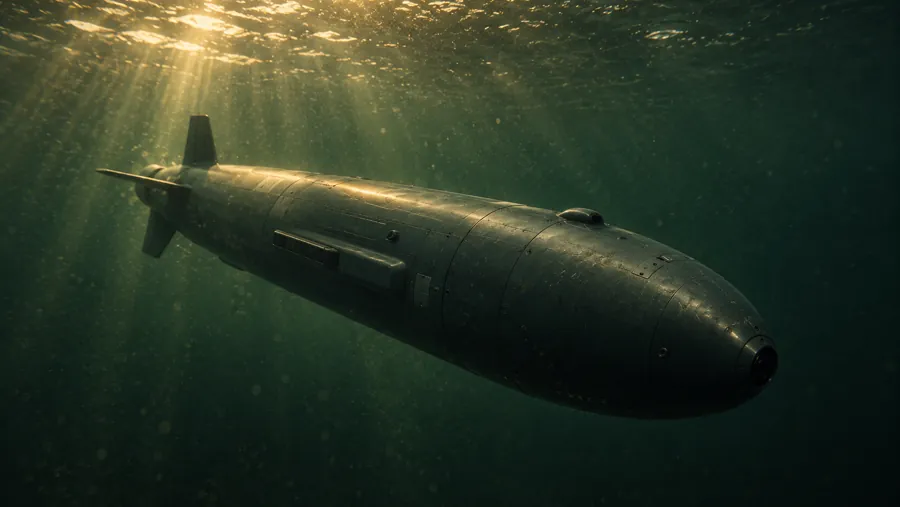
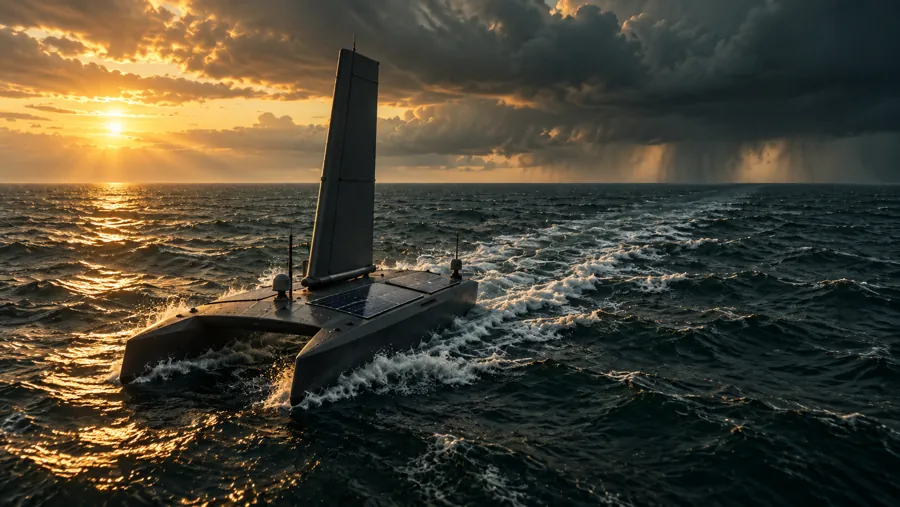
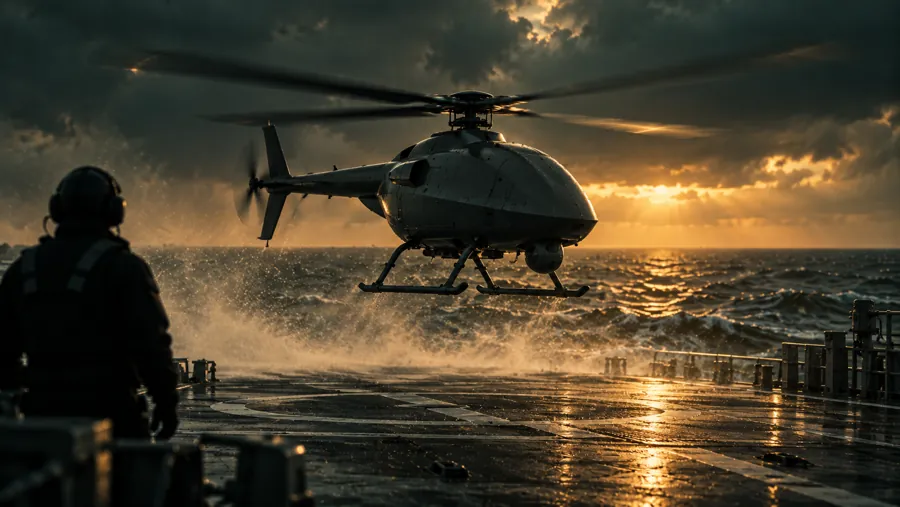
We start with the hardest environment first. Uncrewed maritime and air platforms operate where links fail, where no operator can be asked, and where the safety case must survive scrutiny from people whose careers are built on distrusting software. Australia's uncrewed commitments under the Integrated Investment Program are putting these platforms in the water and the air now, and every one of them carries the same unresolved question: when the autonomy stack proposes an action, what guarantees it stays inside authority?
Astraea's answer is placement. PEC-1 sits at the trusted actuation boundary, outside the autonomy stack, holding signed mission policy in independent silicon. Underwater, that means the boundaries hold in comms denial, because there is nothing to phone home to. In the air, it means manoeuvre and release authority is provable rather than assumed, anchored in a hardware authority chain. On deck, it means approach corridors and abort behaviour near crew are physical constraints, not planner intentions.
What PEC-1 enforces here
Mission boundaries. Geofences, zones, and behavioural envelopes checked in silicon before actuation, regardless of link state.
Authority chains. Who authorised what, under which signed policy, provable after the fact.
Tamper-evident records. Every enforced decision recorded to the Trust Ledger for the operating authority and the safety case.

Sovereign, independent, and designed for certification. The platforms are arriving faster than the trust layer beneath them, and that is the gap Astraea exists to close.