Following. Where authority begins.
People sign. Silicon enforces.
Two stories live in the same building. The first is the facility as machinery: AI-driven operation now starts generators, transfers load, and steers cooling on its own authority, and those transitions are actuations like any other. The second is custody of authority itself: somewhere, humans have to sign the policies everything else enforces, and that act deserves the same ceremony banking gave its keys.
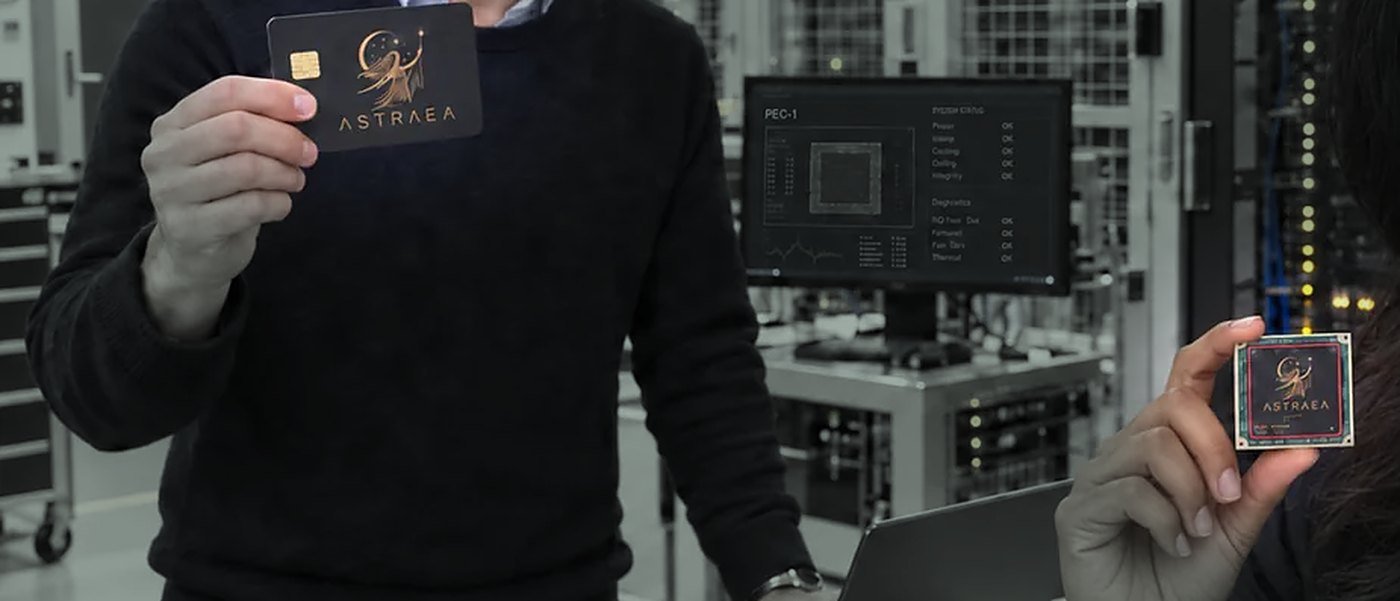
The precedent exists in cryptographic assurance. FIPS 140-3 sets formal security requirements for cryptographic modules and the protection of sensitive security material. Astraea extends the same logic to command authority: the Trust Authority roots policy in key ceremonies under dual control, PEC-1 gates facility actuations against what was signed, and the Trust Ledger accumulates proof, not logs.
What PEC-1 enforces here
Facility envelopes. Start, transfer, and shed operations gated against signed operating policy under any software condition.
Root of authority. Keys and policy signed by named humans under witnessed ceremony. Machines enforce; people remain the authors.
Fleet-scale evidence. A tamper-evident record of every enforced decision, ready for auditors rather than assembled for them.